Transform Your Outdoor Space: Expert Landscaping Tips for a Stunning Home Garden
Transforming an outdoor space into a stunning home garden involves careful planning and thoughtful execution. By assessing the distinct features of a yard, individuals can set clear landscaping goals. Choosing vegetation appropriate for the local climate is critical. Additionally, adding functional hardscaping elements enhances both beauty and functionality. However, the process doesn't end there. Discovering how to preserve vibrancy and sustainability can enhance any garden to the greater heights. What strategies will result in lasting success?
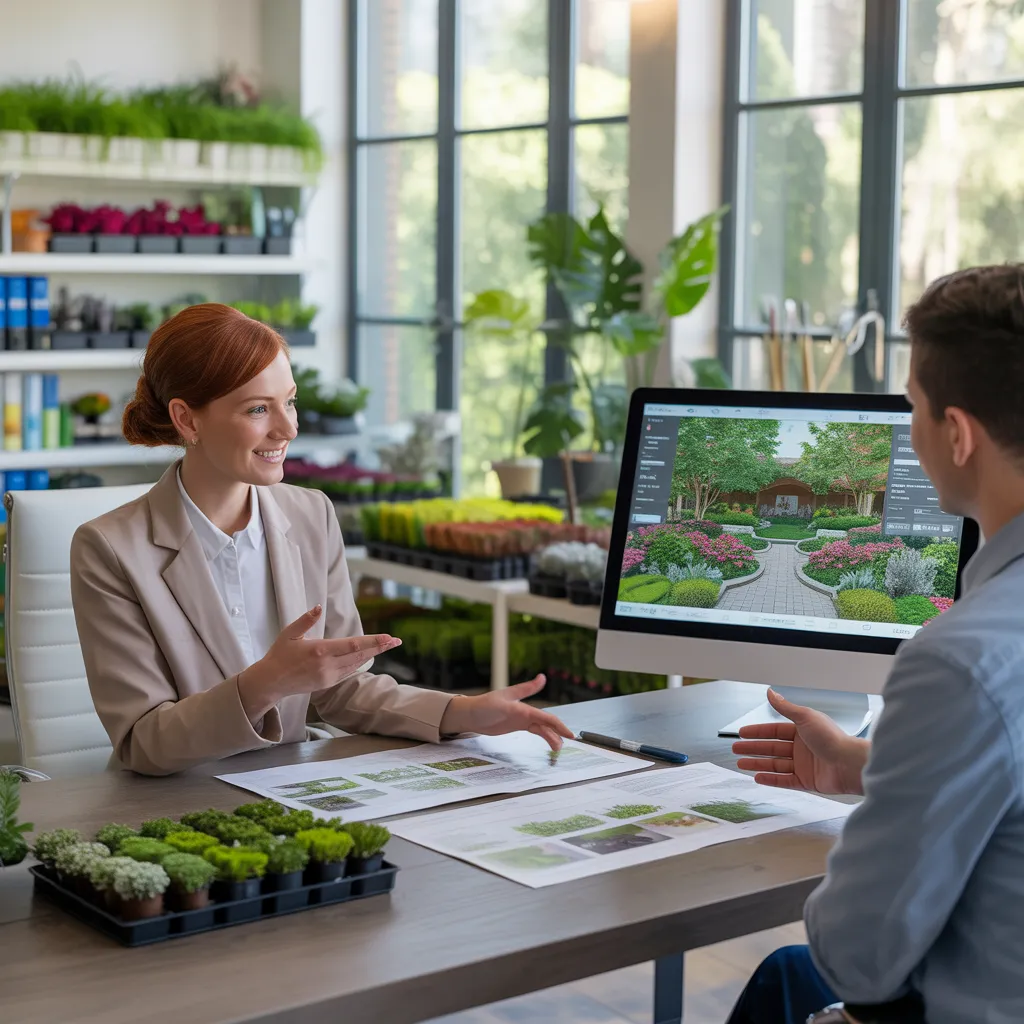
copyrightine Your Property to Determine Your Landscaping Objectives
Before undertaking any garden renovation, it is essential for residents to thoroughly evaluate their outdoor space. This initial evaluation enables them to grasp the unique features of their yard, encompassing light exposure, soil composition, and existing vegetation. Recognizing these aspects helps in determining which kinds of design elements can be effectively incorporated into the area.
Homeowners should take measurements and note any barriers including vegetation, barriers, or pathways that could influence the layout. Furthermore, understanding personal preferences and lifestyle needs—including entertainment areas, gardening, or relaxation—can direct the landscaping goals. By specifically establishing these aims, homeowners set a strong foundation for a cohesive and functional exterior area. This thoughtful assessment ultimately leads to a greater and satisfying garden renovation, guaranteeing the exterior environment improves not only the home's aesthetic but also meets the practical needs of its residents.
Choose the Right Vegetation for Your Regional Conditions
Selecting ideal vegetation for a specific climate is essential for creating a thriving outdoor space. Understanding regional climate conditions, including temperature ranges, precipitation, and humidity, supports homeowners select vegetation that will thrive. Native plants typically adjust most effectively, needing less maintenance and water. For copyrightple, water-efficient plants are ideal for arid regions, whereas moisture-loving species thrive in humid climates.
Gardeners should additionally take into account climate variations; choosing plants that provide year-round interest enhances the landscape. Spring-flowering plants, summer perennials, and vibrant fall foliage can produce a dynamic visual experience. Moreover, consulting local gardening centers or extension services can provide valuable insights into sturdy vegetation adapted for specific conditions.
Eventually, a strategically designed vegetation arrangement not just enhances beauty but additionally supports local wildlife and advances ecological health, which makes it a smart decision for every exterior area renovation.
Elevate Your Garden Through Useful Hardscape Additions
Functional hardscaping elements prove essential in creating exterior layouts and enhancing their usability. By integrating seating zones and expertly planned walkways, homeowners can create inviting environments that encourage rest and activity. Additionally, borders can help delineate different zones within the garden, adding structure and visual interest.
Establish Your Garden Setting
Creating a thoughtfully laid out outdoor space can transform a garden into a peaceful sanctuary. One proven approach to achieve this is through functional hardscaping elements, which create organization and layout. Pathways made from stone or masonry guide visitors while creating visual appeal. Retaining structures can establish tiered levels, enhancing the garden's overall design and avoiding erosion. Barriers or screens can delineate borders, providing privacy and a sense of enclosure. Adding elevated planting areas not only establishes growing zones but also makes them more accessible. These elements work together to create distinct zones that enhance both aesthetics and functionality. Ultimately, a well-defined outdoor space creates a peaceful setting where homeowners can relax and enjoy nature.
Add Resting Zones
Incorporating sitting zones into an exterior environment greatly boosts its usability and appeal. By adding practical hardscape features, homeowners can establish welcoming areas for relaxation, socializing, or enjoying nature. Options include benches, patio sets, or hammocks, each adding to the landscape's visual charm and convenience. Carefully positioning chairs near focal points, such as flower beds or water features, motivates visitors to participate with their surroundings. Additionally, selecting materials such as natural wood or stone can enhance the landscape's appearance, ensuring a cohesive look. Shade structures, such as covered structures or shades, provide comfort during warmer months, keeping these spaces accessible year-round. Ultimately, carefully planned sitting zones transform an ordinary garden into a inviting sanctuary for family and friends.
Establish Pathways And Borders
Pathways and borders are key components in landscape development, directing guests through your garden while enriching its structural integrity. These produce structure and direction, aiding in the definition of distinct areas and plant selections. Stone, gravel, or brick materials can create solid routes, whereas natural borders from plants or decorative dividers improve beauty. Pathways can promote wandering, highlighting focal points such as garden beds or water features. Well-designed borders minimize invasive plants and ground erosion, enhancing garden vitality. In summary, adding pathways and borders enhances usefulness and improves aesthetic quality to your outdoor area, creating environments that are more welcoming and satisfying.
Create Flow With Walkways and Seating Areas
A well-designed outdoor space often features a harmonious flow achieved through thoughtfully placed pathways and seating areas. Pathways guide visitors through the garden, creating a clear sense of direction while enhancing the overall aesthetic. Using materials like stone, gravel, or wood can contribute to the pathway's visual appeal and guarantee durability.
Rest zones offer resting spots, encouraging visitors to stop and enjoy the environment. Placing seating deliberately near highlights, like a water feature or a planted area, promotes engagement with the outdoor setting. Your seating selection—chairs, benches, or even swings—will affect the mood, whether formal or relaxed.
Incorporating both pathways and seating fosters an inviting environment, enhancing usability and enjoyment. Together, they create a seamless shift between different areas of the garden, promoting exploration and relaxation, ultimately transforming any outdoor space into a tranquil retreat.
Transform Your Garden With Seasonal Tones and Depth
To enhance the visual appeal of a garden, careful selection of seasonal plants is essential. Layering different textures can add depth and interest, while strategically placed focal points can draw the eye and create a cohesive design. These elements together guarantee a vibrant and dynamic outdoor space throughout the year.
Select Seasonal Plants with Consideration
Choosing seasonal plants with care can transform any garden into a vibrant tapestry of color and texture. By selecting plants with staggered bloom cycles, gardeners can guarantee a continuous display of beauty. Spring bulbs, summer annuals, fall-flowering perennials, and winter evergreens each contribute unique hues and forms to the landscape. It is essential to take into account local environmental conditions and ground composition, as well as the plants' growth patterns. Native species often succeed with less maintenance effort, increasing biological diversity. Additionally, combining plants with varying heights and bloom times can create a dynamic visual effect. Ultimately, careful consideration fosters a landscape that evolves seasonally, delivering enjoyment throughout the entire year.
Create Textured Layers For Depth
Creating depth in a garden requires combining textures that support and improve seasonal hues. By incorporating a variety of plants with differing foliage shapes, sizes, and colors, one can achieve a visually dynamic landscape. For instance, pairing wide-leaved plants with delicate grasses can create contrast and intrigue. Additionally, adding tree bark, rocks, and organic elements introduces tactile elements that enrich the overall experience. Seasonal blooms need to be strategically positioned to provide bursts of color throughout the year, guaranteeing continued visual appeal. This careful design not only draws the eye across the garden but also fosters an immersive atmosphere where every detail contributes to the garden's beauty and harmony.
Feature Design Elements Strategically
Carefully adding key visual elements can significantly improve a garden's visual beauty and seasonal color. These focal points serve as anchors that draw the eye and create a cohesive design. Gardeners can use items like additional resource statuary, decorative trees, or colorful gardens to create visual interest. Flowering displays can be infused through the careful selection of plants that bloom at different times, guaranteeing the garden stays vibrant all year long. Texture variations also play a significant role; mixing sleek pathways with textured bark or verdant leaves creates dimension. By thoughtfully placing these elements, a gardener can create an inviting atmosphere that encourages exploration and appreciation, transforming an outdoor space into an engaging retreat.
Implement Eco-Friendly Approaches to Develop a Vibrant Garden
Adopting sustainable approaches is crucial for cultivating a flourishing garden that grows in sync with the natural world. Plant growers are recommended to utilize indigenous flora, which demand less liquid and maintenance while supporting local creatures. Applying sustainable horticultural practices, including composting and biological insect control, can significantly reduce pesticide application, fostering a healthier environment.
Moisture-saving approaches, such as targeted watering systems and rain capture, improve sustainability by improving resource use. Mulching not just conserves moisture but also controls unwanted plants, minimizing the necessity for chemical weed control. Moreover, fostering biological diversity by adding a variety of plants fosters resilience to pest infestations as well as plant diseases.
Soil condition is important; methods such as crop cycling and protective cropping preserve nutrient levels minus artificial nutrients. By utilizing such environmentally-conscious approaches, plant growers can build a vibrant environment that promotes both plants and the natural world, producing a more rewarding gardening experience.
Troubleshoot Typical Challenges for Year-Round Garden Aesthetics
A properly-cared-for garden can encounter many challenges year-round, affecting its combined beauty along with well-being. Frequent challenges involve insect problems, lacking minerals, as well as limited water. Recognizing pests in advance is essential; plant growers should routinely check plant parts for damage indicators along with manage infestations employing chemical-free pesticides or instead adding natural predators.
Insufficient nutrients typically manifest as yellowing leaves or limited growth. Conducting soil copyrightinations can allow pin down individual needs, making possible for precise fertilization Nutrient shortages often manifest as yellow foliage or reduced growth. Running soil tests can allow identify specific demands, allowing targeted nutrient supply bringing back balance. Additionally, ensuring proper irrigation is crucial; excessive watering can cause rotted roots, whereas underwatering challenges plant life.
Weather transitions furthermore demand adaptations in care. During winter, using mulch shields roots against frost, whereas warm months may necessitate higher water needs as well as partial shade to protect tender plants. By handling such typical problems promptly
Should I Execute Outdoor Work Independently or Engage a Professional?
Certainly, you can handle landscaping projects on your own, leveraging digital tools and imagination. Nonetheless, employing a specialist delivers skill, speed, and better outcomes, especially for intricate layouts or bigger undertakings requiring professional expertise.
What Implements Do You Should Have for Residential Landscaping?
Essential equipment for residential landscaping consist of a leaf rake, digging tool, spade, pruning shears, fork, and a hose or sprinkler can. These equipment enable in successfully maintaining ground, plants, and complete garden maintenance, delivering quality landscaping.
What Strategies Should I Follow to Preserve My Landscape Over the Calendar Year?
If you want to preserve a yard across the seasons, routinely trimming garden plants is essential, applying garden mulch for insulation is important, checking moisture levels is vital, and implementing seasonal planting strategies is beneficial. Moreover, pest control and feeding are required for vibrant, healthy growth.